
INSTINKT / GAMING SCIENCE · 3 MIN READ
After your next close round, take a look at your hand on the mouse. Are you holding it as lightly as you did in the lobby? During a tense match, you might grip the mouse harder than necessary for several rounds without noticing until you lift your hand off the desk. That simple movement is a useful way to explain what your body uses magnesium for.
1 | From mouse movement to muscle activity
When you’re slowly tracking a target, your fingers, wrist and forearm make a series of small movements. Your nervous system sends signals to the muscles, which adjust the force you apply to the mouse. Magnesium contributes to normal nervous system and muscle function. Your body also uses it to release energy from nutrients.
But what about aim? Magnesium’s role in these processes doesn’t mean that taking a capsule before a match will improve your reaction to an enemy peek. With magnesium, it makes more sense to focus on your long-term intake than on how many minutes are left until the game starts.
2 | What to check between maps
You’ve finished a map, but your hand is still tense. Before you click “Play” again, set your mouse aside for a moment. During the break, check three things you might barely notice in the middle of a firefight.
Grip. Rest your hand on the mouse again. Can you still move it accurately with a lighter grip?
Position. Check where your mouse has ended up after a few rounds. If you’re reaching all the way to the edge of the mousepad, move it closer and let your shoulder relax.
Break. While your team discusses the last round, take off your headset, stand up and walk around. You can finish the debrief on your feet.
3 | When fatigue or cramps keep coming back
One hand cramp after the third map won’t tell you what your magnesium levels are. A deficiency can cause fatigue or weakness, and a more severe deficiency can also cause muscle cramps. But symptoms like these can have many causes. If they persist or occur outside gaming, talk to a doctor.
If you keep failing to spot opponents late in the evening, think back over your day. How much did you sleep? How long have you been sitting at your monitor? When did you last have a drink? We have separate articles on staying hydrated while gaming and timing caffeine without disrupting your sleep.
4 | How to read the numbers on MAGNESIUM ACTIVE
You normally get magnesium from your diet. If you’re also considering a supplement, look for the line that says “of which magnesium” on the label. Especially if you use several products, that number tells you how much elemental magnesium you’re getting in total.
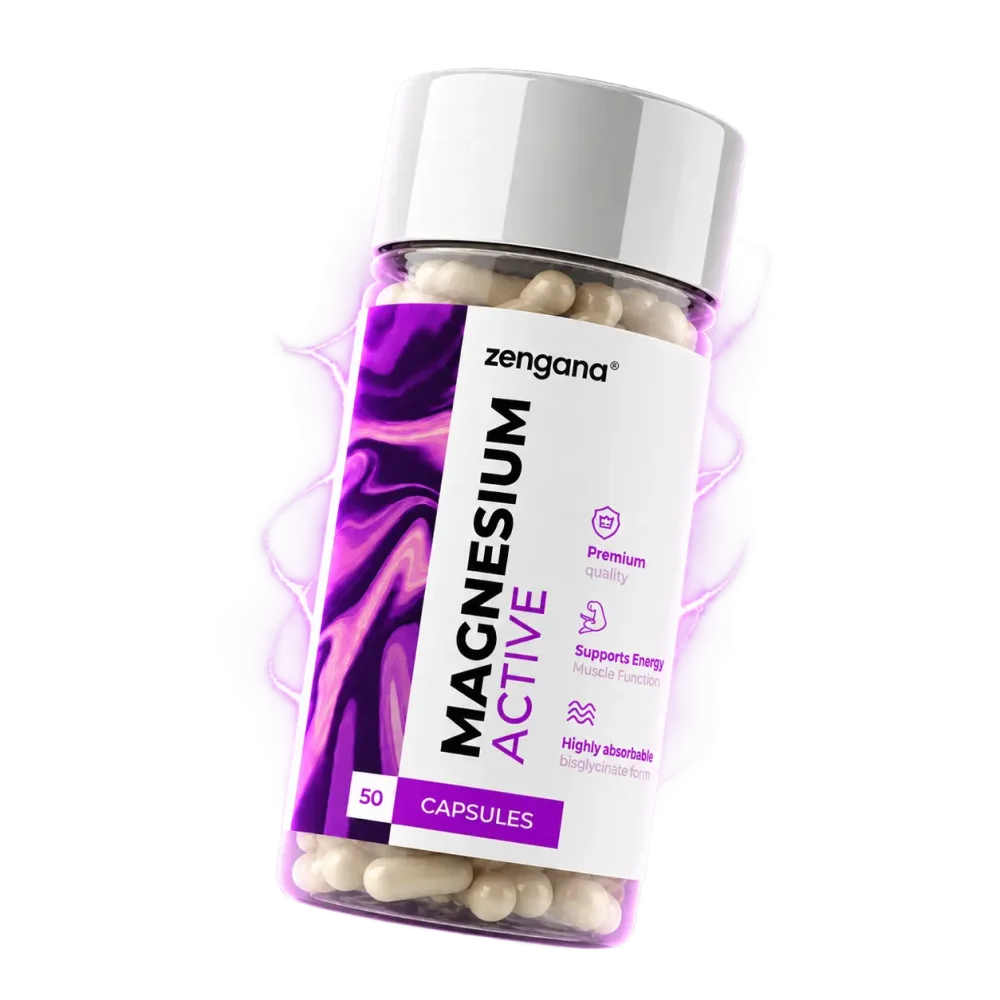
MAGNESIUM ACTIVE contains 1,000 mg of the MagChel® Mg 20+ blend with bisglycinate per capsule. Of that, 200 mg is elemental magnesium (53% of the nutrient reference value). Each capsule also contains 1.4 mg of vitamin B6.
View MAGNESIUM ACTIVE ingredients →During your next gaming session, compare your grip while warming up and after a close round. If you squeeze the mouse harder in tense moments, that’s one specific thing you can adjust in your very next game.
Sources and related links
NIH – magnesium and deficiency symptoms
EU – authorised health claims
INSTINKT – energy drinks and gaming
More products featured in our gaming articles: BOOST · EVOLVE · RELOAD